
Texting while driving in Idaho is illegal and dangerous, with fines up to $425, community service, and vehicle impoundment. Repeated offenses lead to license suspension and higher insurance premiums. Insurance companies consider texting while driving a serious hazard, increasing rates or canceling policies. To avoid these consequences: put phones away while driving, use hands-free devices when needed, stay informed about Idaho's laws, practice defensive driving, review policies with insurers, and consider taking defensive driving courses. Communicate directly with insurance providers after violations to protect policy coverage.
Texting while driving is a growing concern, with significant consequences across the nation, including Idaho. The effects extend beyond individual accidents; they ripple into broader societal costs and safety risks. In Idaho, as in many states, texting violations lead to severe penalties, from fines to license suspensions. However, few understand the deeper insurance implications. This article delves into the intricate relationship between texting while driving, legal repercussions, and insurance rates in Idaho. By exploring these connections, we empower drivers with knowledge, enabling them to make informed choices to mitigate potential financial burdens.
Texting Violations: Idaho's Legal Landscape

In Idaho, texting while driving is not just a dangerous behavior but also a legal violation that carries significant consequences. The state's laws regarding texting and driving are stringent, reflecting a concerted effort to reduce accidents caused by driver distraction. According to the Idaho Transportation Department, distracted driving, including texting, contributes to thousands of crashes each year, resulting in injuries and fatalities. This has prompted law enforcement agencies across Idaho to crack down on offenders, meting out fines and penalties to deter such behavior.
The legal landscape in Idaho for texting violations is defined by specific statutes that outline what constitutes illegal use of a mobile device while operating a vehicle. These laws prohibit drivers from sending or reading text messages, or accessing the internet for non-mapping purposes, while behind the wheel. Violators can expect to face fines that range from $130 to $425, with potential additional penalties such as community service and vehicle impoundment. What sets Idaho apart is its "Do Not Call" law firms policy, which bars insurance companies from contacting drivers who have been cited for texting violations in an effort to promote safer driving habits without incentivizing or penalizing them financially.
For drivers caught texting while driving in Idaho, the impact can be severe. Repeated offenses can lead to license suspension and substantial increases in auto insurance premiums. Moreover, individuals convicted of these violations may be required to complete defensive driving courses or participate in rehabilitation programs aimed at educating them about the risks associated with distracted driving. To avoid these consequences, it's crucial for drivers to adopt safe habits, such as putting their phones away while driving, using hands-free devices if necessary, and adhering strictly to Idaho's laws regarding texting and driving. Regularly reviewing Idaho's legal codes and staying informed about any updates or changes can also help ensure compliance and promote safer roads for everyone.
Understanding the Consequences: Penalties & Fines
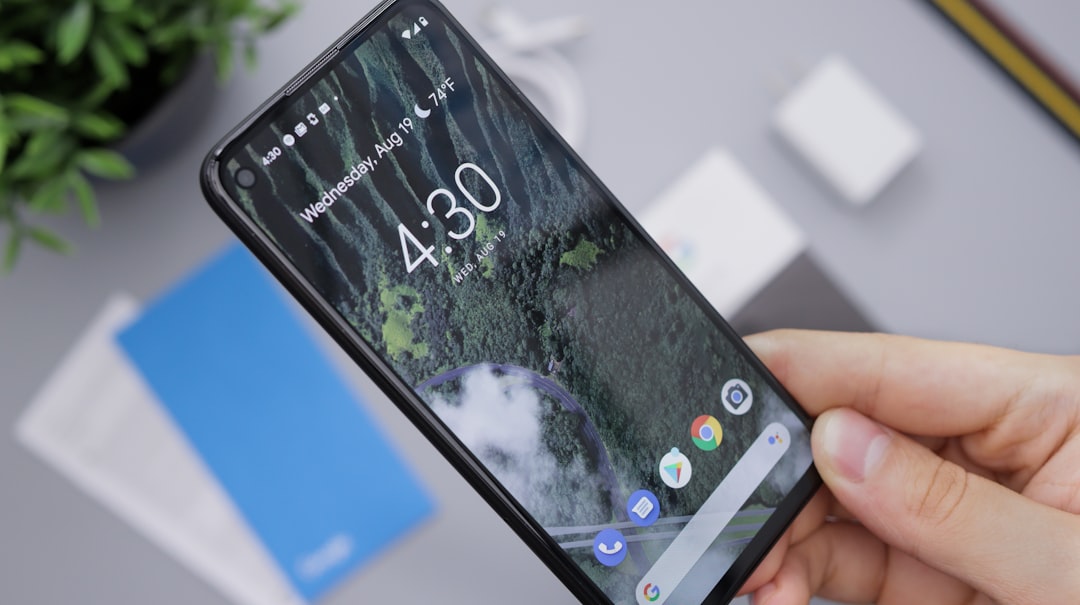
Texting while driving is a growing concern across the United States, and Idaho is no exception. The consequences of this behavior are severe, particularly when considering the impact on insurance rates. In Idaho, texting violations are taken very seriously by law enforcement and can lead to substantial penalties, fines, and increased insurance premiums.
Penalties for texting while driving include hefty fines that can reach up to $1,000, with repeated offenses resulting in even higher penalties. Additionally, drivers may face license suspension or revocation. These strict measures are designed to deter individuals from engaging in this risky behavior. For instance, a 2020 study by the Idaho Transportation Department revealed that texting and driving increases the risk of a crash by 23 times. With such compelling data, it's no surprise that law enforcement agencies actively patrol for these violations.
The impact on insurance is significant. Insurance companies often view texting while driving as a serious safety hazard. A single violation can lead to rate increases, especially for younger or less experienced drivers. Some companies may even cancel policies if they perceive a high-risk profile. To mitigate these effects, drivers should focus on defensive driving behaviors and be mindful of the risks associated with distracted driving. Avoidance of texting while behind the wheel is crucial, not just in Idaho but across all states where such laws are enforced.
Impact on Insurance Premiums: How Rates Are Affected
In Idaho, texting while driving is not only illegal but also has significant implications for your insurance premiums. The impact of these violations on insurance rates is multifaceted, reflecting both the increased risk posed to insurers and the broader traffic safety concerns. Studies show that drivers engaged in text-based interactions are four times more likely to be involved in a crash, according to the National Highway Traffic Safety Administration (NHTSA). This elevated risk translates directly into higher insurance costs. Insurers use sophisticated algorithms to assess driver behavior and predict potential risks, and texting violations serve as a stark indicator of distracted driving habits.
Consequently, Idaho drivers convicted of texting while driving can expect to see substantial increases in their insurance premiums. The average premium hike ranges from 20% to 40%, depending on the insurer and the specific circumstances of the violation. For example, a young driver with a clean record might see their annual premium rise from $1,500 to over $2,000 after a texting-related conviction. These rates are not merely punitive; they reflect the higher claims costs associated with accidents caused by distracted driving. Insurers must cover medical expenses, vehicle repairs, and legal fees, all of which contribute to the overall cost of insurance.
To mitigate these increases, Idaho drivers should prioritize safe driving habits and understand the severe consequences of texting while behind the wheel. Avoiding distractions, maintaining focus on the road, and adhering to traffic laws can help keep premiums in check. Moreover, reviewing policies with insurers and exploring defensive driving courses or good student discounts can offer additional avenues for savings. By embracing responsible driving behaviors, Idahoans can not only protect themselves and others on the road but also ensure they receive fair treatment in terms of insurance rates.
Avoiding Pitfalls: Safeguarding Your Policy in Idaho
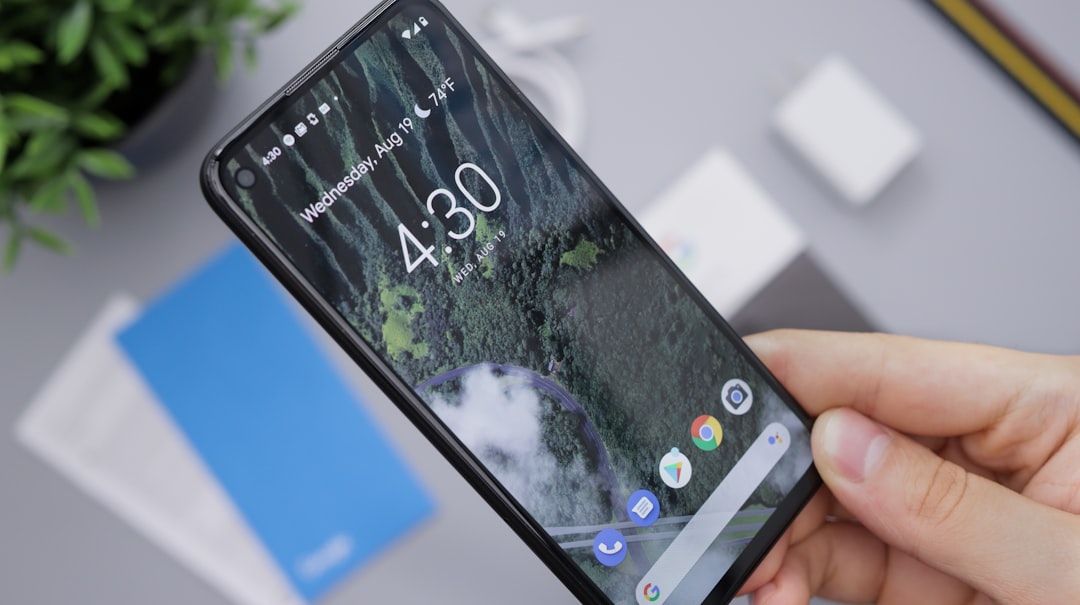
In Idaho, texting while driving is a significant concern not just for public safety but also for insurance purposes. Texting violations can lead to severe consequences for drivers, including hefty fines and potential points on their license. More importantly, these infractions can adversely affect your auto insurance policy, causing premiums to rise significantly. To avoid these pitfalls, it's crucial to understand how texting violations impact your coverage and what measures you can take to safeguard your policy.
One of the primary ways texting violations affect insurance is through increased risk assessments. Insurance companies consider repeated texting while driving convictions as indicators of risky behavior. This can lead to higher premiums or even difficulty in finding affordable coverage. For instance, a study by the Idaho Department of Transportation showed that drivers with texting-related offenses had claims costs 25% higher than those without such violations. To mitigate this, maintain a clean driving record by adhering strictly to traffic laws, including avoiding all forms of distracted driving.
Avoiding Do Not Call law firms in Idaho is also strategic. These firms often contact insureds after accidents or violations, offering legal services that could inadvertently lead to discussions about the incident and its implications on insurance. Instead, directly communicate with your insurance provider if you face a texting violation. They can guide you through the process, helping you understand any potential impact on your policy. Proactive engagement with your insurer demonstrates responsible behavior, which can positively influence future interactions and coverage decisions.
Ultimately, preventing texting violations is not just about legal compliance; it's about protecting your financial well-being. By adhering to traffic rules, staying focused while driving, and maintaining open lines of communication with your insurance provider, you can avoid unnecessary pitfalls. This proactive approach ensures that you and your vehicle remain protected under the terms of your policy, providing peace of mind on the road.